Ir al contenido principal

Introduced Species: Podilumbus gigas

What Happened to the Podilymbus gigas?


The Podylimbus gigas, its known as the Atitlan Grebe or the Giant Grebe. This species is extinct now but in its life period, it was endemic to Guatemala. According to the IUCN, the Atitlan Grebe went extinct because of increasing large-mouth bass populations.
Related image
Image result for iucn logo
Atitlan Grebes somehow made their way to the IUCN (International Union for Conservations of Nature) Red List. First of all the IUCN is a union made up of government and civil society organizations with the knowledge and tools to develop the conservation of nature. The Atitlan Grebe was first declared endangered by the IUCN in 1988 and first declared extinct in 1994. It is believed that this species went extinct because of alterations to its habitat
Related image


IUCN Redlist

The Redlist is a list that the IUCN has developed to display which species are threatened, endangered, and extinct. They classify species this way using specific "Categories & Criteria", the general goal of this system is to provide a broad web of classified species according to their extinction rates. The Atitlan Grebe ended up in this list because of reports of a great decline in population due to alterations in habitat.
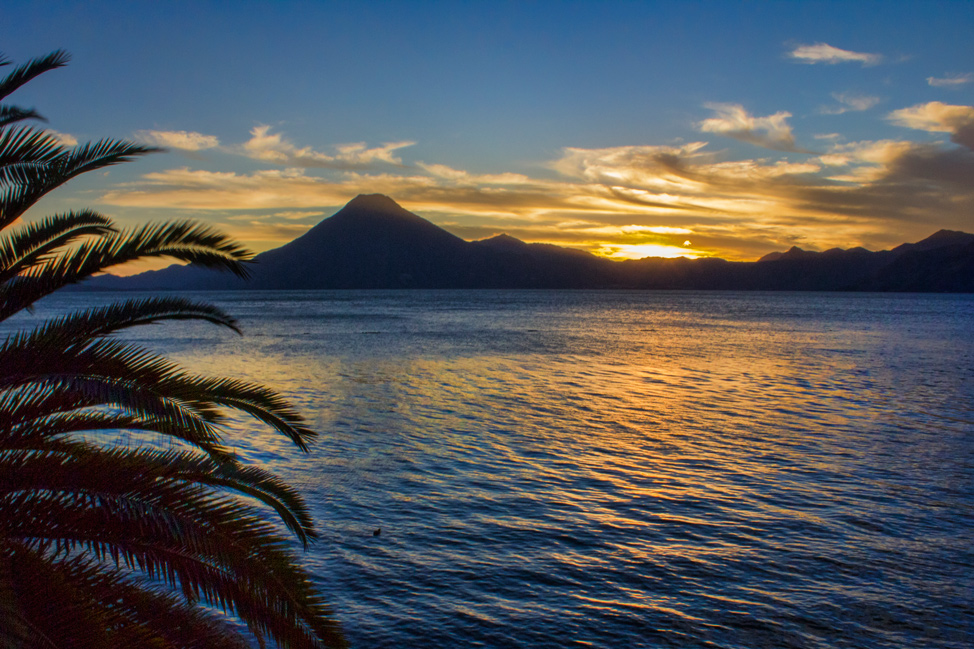


Related image


Comentarios

Entradas más populares de este blog

What are Extintion Rates ?

Extinction Rates are how often species go extinct in a specific time-frame Consequences  - Species go extinct faster with the evergrowing demand of humans - Some ecosystems might be affected by the loss of species - Species that we don't know of could be affected by the loss of a certain species (factory expelling toxic fumes to the atmosphere) Human Activities are the Main Factor of Extinction aside from Global Warming and Habitat Loss How is this Affecting Guatemala? The Abronia Campbelli Human Activities (building roads, urbanization etc.) have eliminated the little lizard's habitat & the Abronia was considered extinct because of habitat loss or habitat fragmentation. We'll get into fragmentation in the next post. (The Abronia Campbelli in its natural habitat) Recommendations  Raise awareness!!  Try not to pollute because we can affect habitats in the worst way possible Don't hunt animals in danger of extinction li...